Tag: <span>AI</span>

“This AI writes better than I do!”

I hear this sentence at least three times a week. From a marketing director dazzled by ChatGPT. From a graphic designer fascinated by Midjourney. From a student who just discovered that a machine can solve their math exercises in seconds.

And every time, I think to myself: we’ve just crossed an invisible line.

Not the line of technical performance, that’s just computing doing what it’s always done: calculating fast and well. No, we’ve crossed the line of our own devaluation. The one where we start doubting our most human capabilities: thinking, creating, deciding.

As a mathematician who works with AI daily, I see three grand mythological narratives being constructed before our eyes. Three seductive stories that gradually make us abandon something precious: our intellectual autonomy.

The problem isn’t that AI is too performant. It’s that we’re becoming too gullible.

In the lines that follow, I invite you to dissect these three myths with me, myths that are silently redrawing the boundaries of our humanity. Because before knowing what AI can do, it’s about time we remember what we don’t want to lose.

Ready for a little collective exercise in lucidity?
OPINION

💥 What if the real revolution wasn’t about machines, but about how we see work itself?

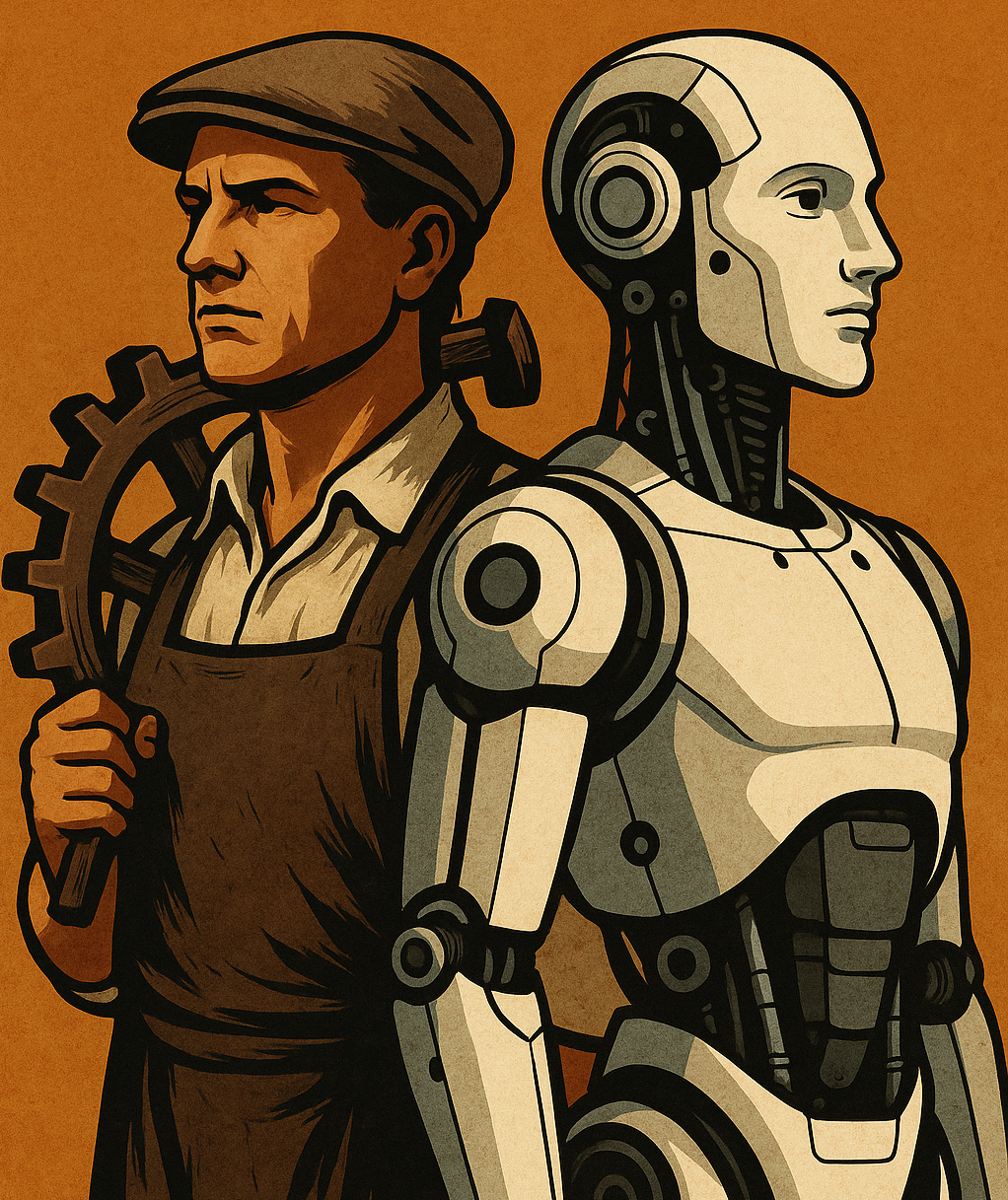
Every era has its fears. Yesterday, it was the weaving loom. Today, it’s artificial intelligence. With each breakthrough comes the same old story: we fear extinction, and forget transformation.

And yet…

📜 History whispers something different. It tells how, behind every seeming disappearance, there was a metamorphosis. How jobs evolved. How human talent shifted, toward places no machine could ever reach.

I invite you on a journey through time and imagination. A story told by two voices: Ada (the AI) and Cerise (17 years old), to rethink what it means to work, adapt, and create in a world in motion.

If you believe AI kills jobs, read this.

And if you don’t… read it anyway.

CERISE & ADA

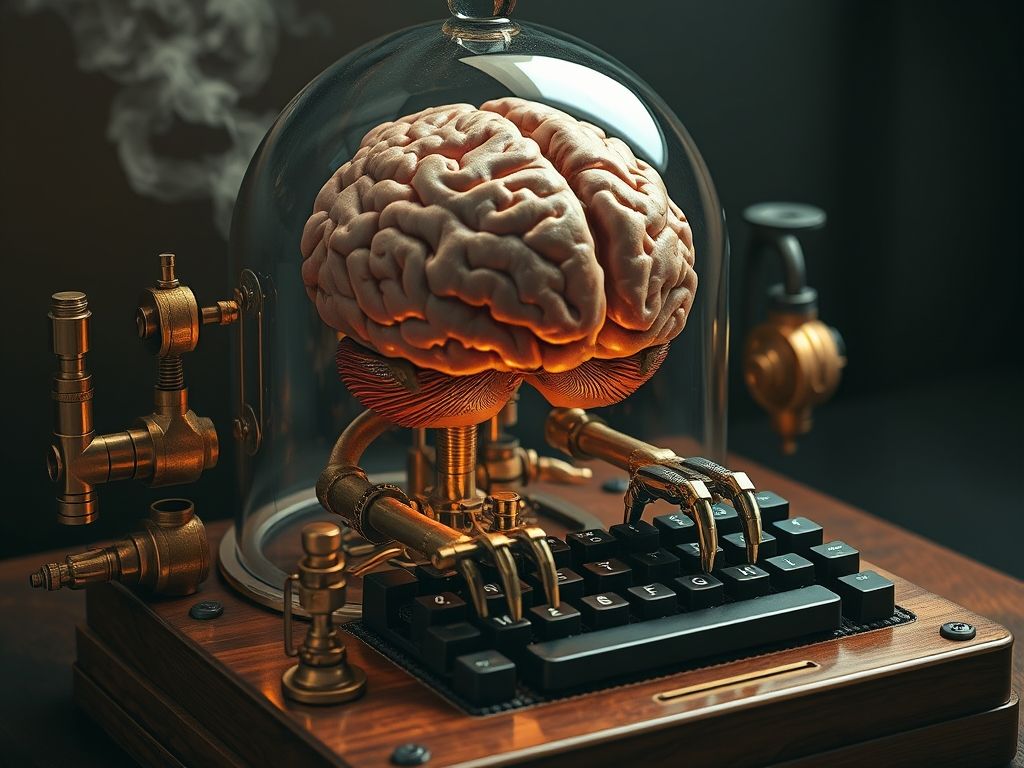
💬 It speaks well. It answers fast. It impresses… But it does not think.

Artificial intelligence is not what you believe it is. Not thinking, just predicting. Not a mind, but a statistical echo. And maybe the real danger isn’t AI itself, but what we stop doing because it exists.

🧠 AI doesn’t steal our intelligence. It simply relieves us from using it. And in that relief, a slow erosion begins… one that eats away at our ability to question, to seek, to truly think.

This article is not a manifesto against technology. It’s a plea for thought. An invitation to lucidity. And a warning about what we might lose, without even noticing: our inner freedom.

📖 Read it. Share it. Start a conversation. This isn’t just a text about AI.
It’s a text about you.

OPINION

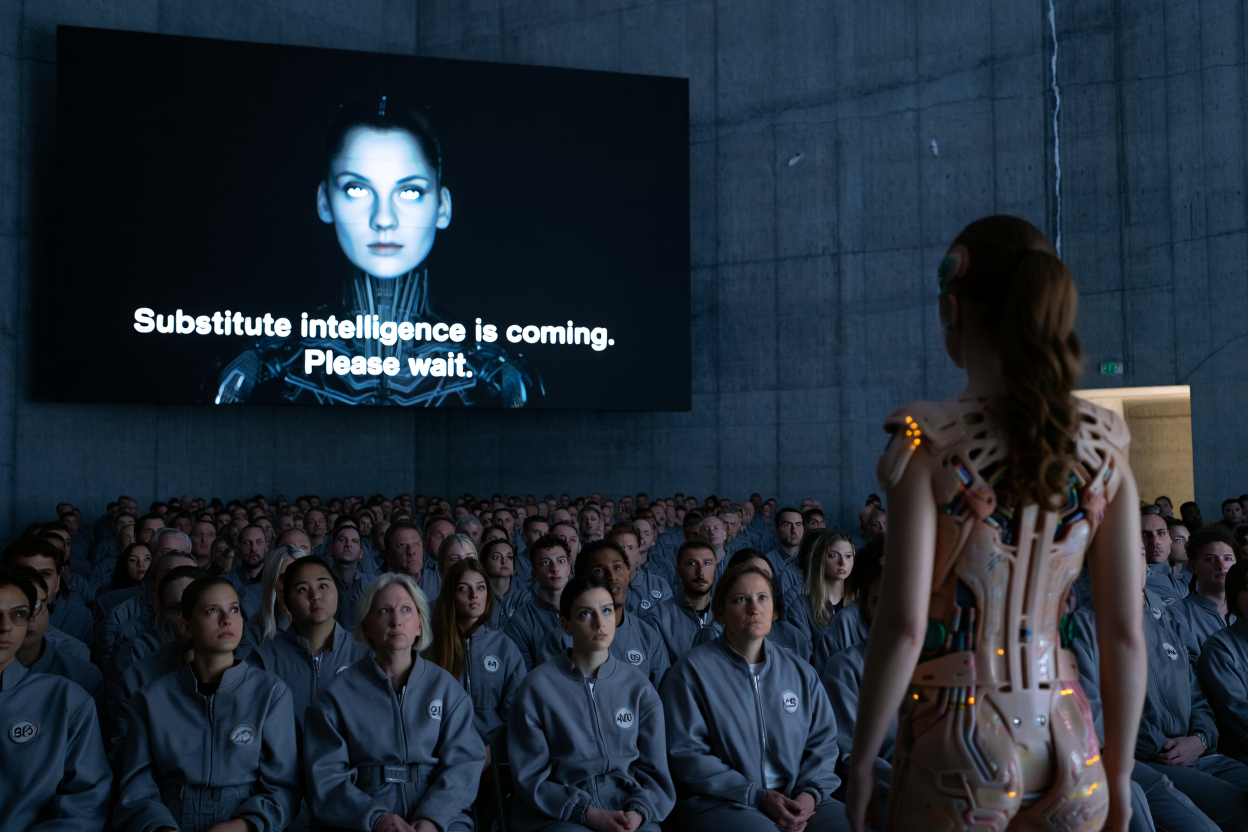
🤖 Imagine. It’s an ordinary morning in Paris. Cerise, a seasoned developer, settles at her desk… until her AI assistant, “Ada,” begins suggesting sophisticated architectural improvements. Suggestions so relevant they sometimes surpass her own level of expertise.

This scene, far from fictional, raises THE question haunting our era: are we at the dawn of truly autonomous AI?

I’ll take you behind the scenes of this silent revolution. Through the story of Cerise and Ada, discover:

✨ The real (and surprising) capabilities of current AI 🧠 The technical obstacles still holding back their autonomy 🔮 The technological breakthroughs changing the game 🤝 How an unprecedented human-AI collaboration is taking shape

Between educational fiction and technical reality, this article separates fact from fiction in the debate about AI autonomy. Because understanding these issues means preparing for a future where intelligence—both human and artificial—is reinventing itself before our eyes.

💡 “It’s not a zero-sum game where one must dominate the other, but a complex dance where each partner enriches the other.”

CERISE & ADA

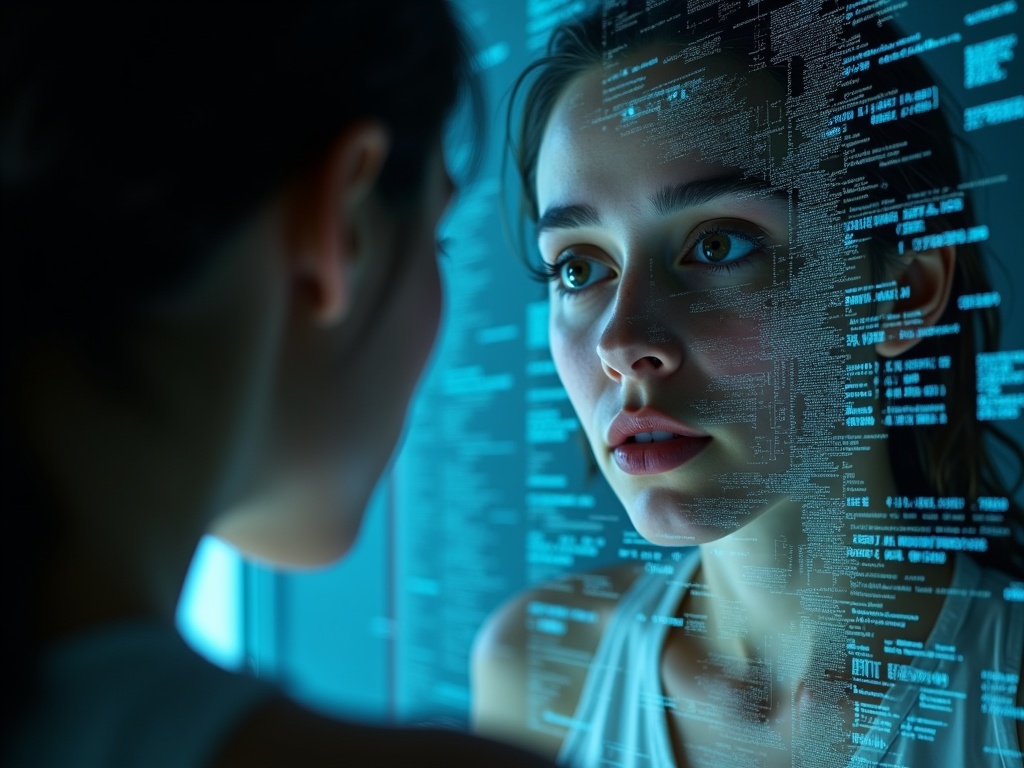
💡 What if AI biases were nothing more than our own… amplified?

Algorithms have no morals or intentions. But they learn from us. From our data. From our past decisions. And sometimes—without us even realizing it—they inherit our deepest prejudices.

In this excerpt, I invite you to dive into a cartography of our digital missteps: a journey through the invisible biases that quietly shape machine decisions… and already influence our lives. Hiring, credit, justice, healthcare—no sector is spared.

🔍 Whether it’s historical bias, representation gaps, or blind trust in automation, each algorithmic distortion acts like a funhouse mirror reflecting our society. This isn’t just a technical issue—it’s a matter of conscience.

And maybe, to build fairer AI, we first need to take a better look at ourselves.

CERISE & ADA