Category: <span>OPINION</span>

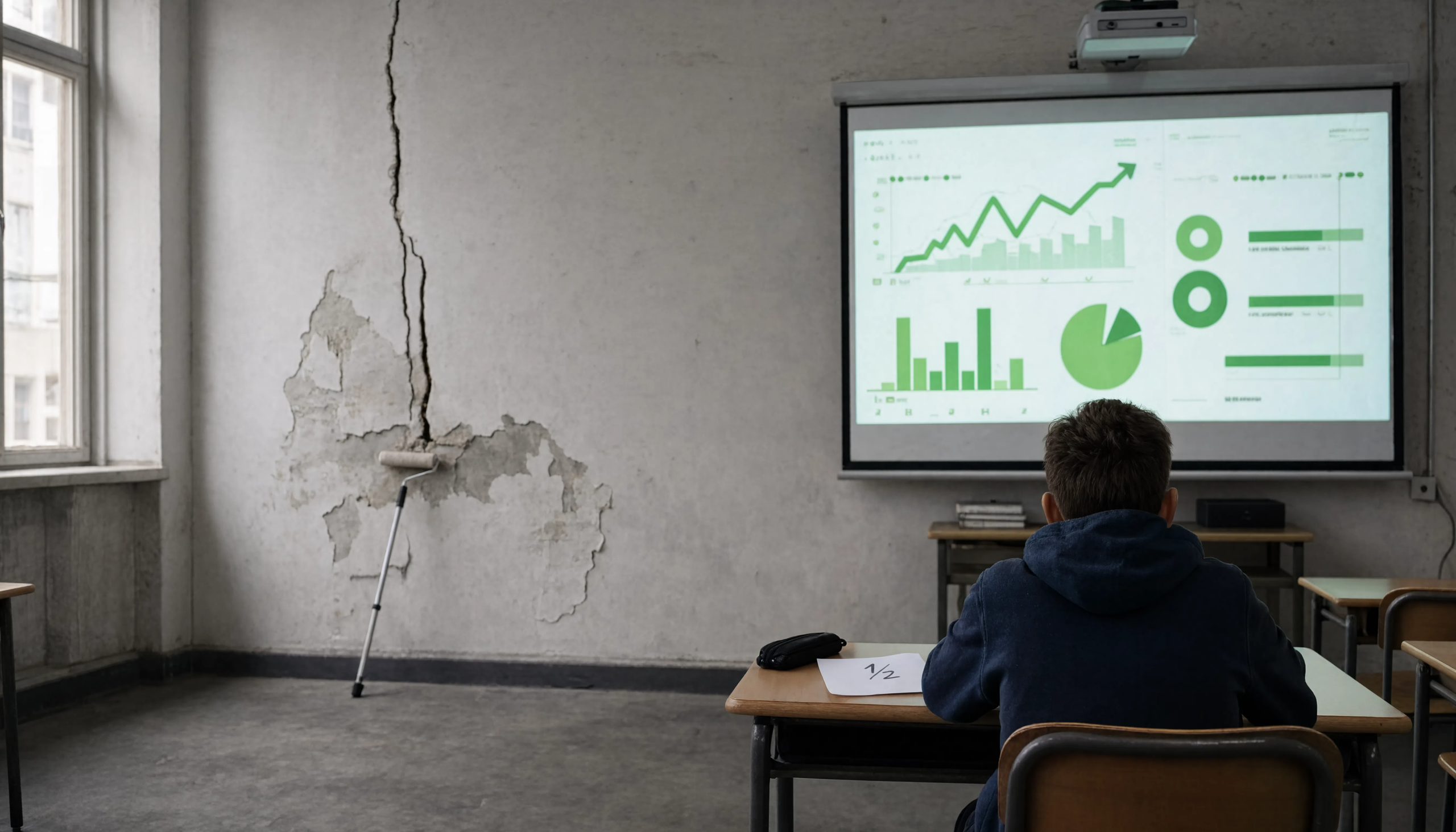
We spent 50 years grading memory, conformity, the ability to regurgitate. Only to discover, a little too late, that this is exactly what a machine does better than any human.

AI doesn’t threaten the people who know how to think. It replaces the ones we trained not to.

This isn’t a technology problem. It’s a pedagogical choice we’ve been pushing to tomorrow for decades.

#Education #ArtificialIntelligence #FutureOfWork #CriticalThinking #Employment #Transformation

OPINION

Schools spent 50 years training executors. AI just made that model obsolete.

The worst part? We knew it. We still cut maths from the core curriculum. We sidelined philosophy. We rewarded those who followed instructions rather than those who challenged them.

The result: entire generations trained to do exactly what algorithms do today… better, faster, no coffee break needed.

What cannot be replaced is critical thinking. Doubt. Intuition built through experience. The very skills the World Economic Forum now ranks at the top of recruiters’ priorities worldwide.

The same ones we made optional.

In this second part, we dig into the paradox: at the exact moment when thinking becomes our only competitive edge over machines, we gutted the disciplines that taught us how to do it.

The full article is linked below. It stings a little. That was the point.

#Education #ArtificialIntelligence #FutureOfWork #CriticalThinking #AI #Skills #Learning #Innovation

OPINION

School still trains people to memorize and execute. The world, meanwhile, demands the ability to understand, connect and think.

While some spend an hour struggling through an essay, others get a perfect answer in 4 seconds thanks to artificial intelligence. This gap exposes a deep flaw in our education system.

AI, education, critical thinking, the future of work… what if we’ve spent the last 50 years preparing our children for a world that no longer exists?

OPINION

We long believed technology would always get faster, more powerful, and cheaper. That era is over.

Techflation is rewriting the rules of the game, quietly, while most leaders look the other way.

In this third and final part of our series, we move beyond causes and symptoms. We talk about what’s really coming: a two-speed AI that will deepen global inequality, a painful reindustrialisation whose bill we will all end up paying, and a historic bifurcation from which no one will emerge unscathed.

The question is no longer whether the shock is coming. It’s about what you do now that you know it is.

#Techflation #DigitalEconomy #Geopolitics #ArtificialIntelligence #DigitalSovereignty #Reindustrialisation #DigitalStrategy #Innovation #DigitalDivide #Resilience

OPINION

The myth of ever-cheaper technology is collapsing.

And this time, it’s not a passing crisis.

Rising component prices, the disappearance of mid-range devices, cloud providers passing their costs onto businesses… Techflation is no longer an economist’s hypothesis: it’s showing up in your IT budgets and your wallet.

What this article breaks down:

– Why smartphones under $300 are simply going to disappear

– How financial markets are still ignoring the true depth of this crisis

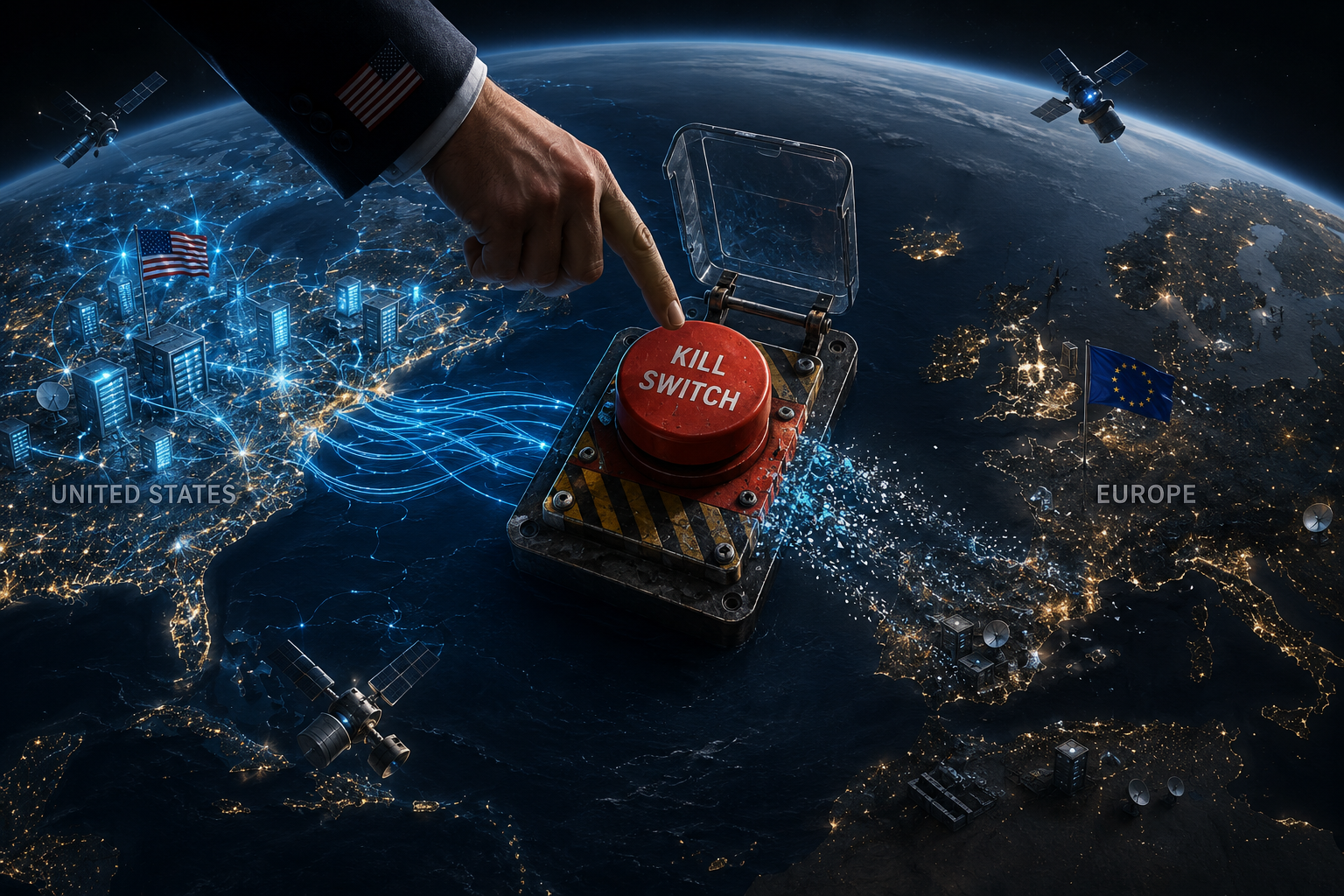
– What strategies companies and governments are starting to adopt to reclaim control over their digital sovereignty

Between the Androidcalypse reshaping the mobile market, the extreme fragility of semiconductor supply chains, and the rise of new alternatives (RISC-V, open source AI), the digital world as we know it is undergoing a profound transformation.

The question is no longer whether things will change. It’s already happening.

OPINION