Tag: <span>BIAISES</span>

🤖 What if artificial intelligence was actually surpassing us, for real?

AGI, multimodality, technological arms race… What still sounded like science fiction 5 years ago is now on researchers’ desks. And the deadlines are closing in faster than anyone expected.

In this article, I explore the big questions reshaping our relationship with AI:

→ Why are AGI predictions accelerating so fast?

→ What are the real challenges: alignment, inequality, geopolitics?

→ And above all: what role can Europe still play in this revolution?

We can no longer afford to wait before we understand.

OPINION

ChatGPT has already transformed the way we work, learn, create, and even structure our thinking. Yet behind the spectacular performance of artificial intelligence lie deeper limitations as well, hallucinations, bias, opacity, technological dependence, and a quiet reshaping of our intellectual bearings. This article explores how ChatGPT is revolutionizing the world, not only in our everyday uses, but also in our relationship with knowledge, education, work, and even the future of our civilization.

OPINION

We spend our time hunting down mistakes as if they were the enemy of progress. Yet without them, no knowledge would ever emerge, no learning would ever truly stand. Error is the quiet engine of all intelligence.

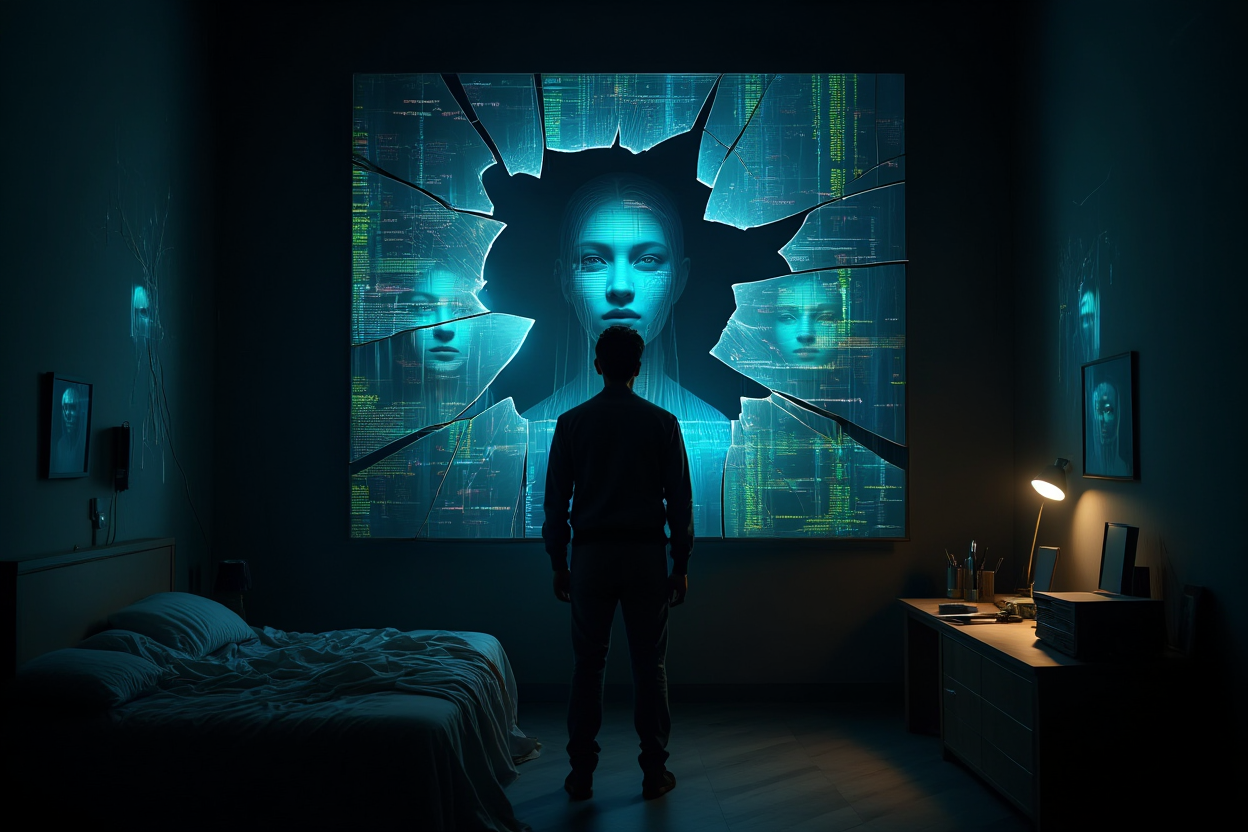
The problem begins when we confuse it with deception, and when we project onto our machines the fantasy of a perfection we have never managed to reach ourselves. Without awareness of our own biases, artificial intelligence can only become a magnifying mirror of our blind spots.

This article invites a step aside, not to condemn technology, but to recall one simple and demanding truth: it is not the machine that must become perfect, it is our gaze on our own limits that must become clearer.

OPINION

There is a strange moment when you realise something has shifted. You log in, you scroll, you click… and there’s this dull fatigue, as if every gesture demands a little more energy than it did yesterday. The services we once loved have grown heavy, chatty, saturated with demands. You catch yourself sighing at a feed that looks less and less like a conversation, and more like a supermarket hallway on stimulants.

This slide isn’t anecdotal. It’s a precise mechanism, patient, almost geometric. First the platforms charm us, then they tighten their grip, and eventually they squeeze. And we stay there, convinced it’s normal. Because “everyone is there”. Because leaving would cost too much, too many files, too many connections, too many habits.

What if this slow deterioration wasn’t a fate, but a system?
What if the tools designed to simplify our lives had turned into machines that erode our attention, our knowledge, and sometimes even our institutions?

We may have entered an era where technology doesn’t simply malfunction, it decays methodically, and takes us with it. The challenge now is not indignation, but understanding. Because once a mechanism is decoded, it stops being a trap.

OPINION

GPS corrects you before you make a wrong turn. Spellcheck smooths out your sentences. Code assistants anticipate your intentions. Everything becomes easier, faster, more seamless. But in this drift toward absolute comfort, something invisible happens: we gradually stop thinking for ourselves.

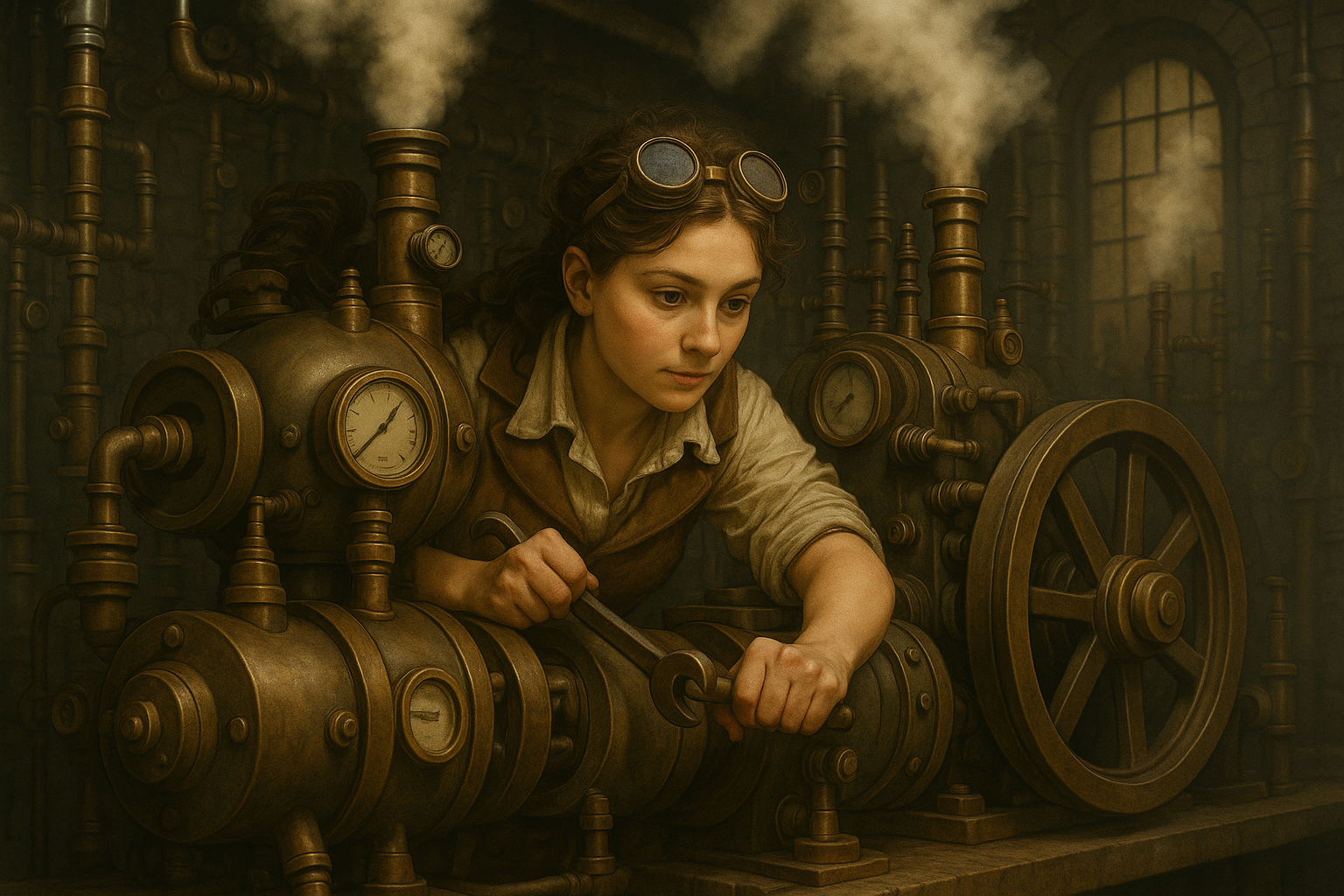
The philosopher Bernard Stiegler had a word for this: the proletarianization of knowledge. Where once the factory worker lost their craft to the machine, we now lose our capacity to reflect, decide, create. First, factories dispossessed the hand. Then, cultural industries standardized our ways of life. Now, artificial intelligence is proletarianizing thought itself.

This process didn’t happen overnight. It unfolded in three waves:

– The hand: the artisan becomes proletarian, the gesture empties of its intelligence
– Life: the consumer absorbs symbols they no longer create
– Thought: the thinker delegates judgment to the machine

Today, with generative AI, we’re crossing a new threshold. Thinking becomes a paid service. Creativity, a premium option. And surveillance capitalism, already capturing our data and predicting our behaviors, is preparing to monetize even our ideas.

But nothing is inevitable. Stiegler preached neither the rejection of technology nor nostalgia for the past. He invited us to understand that technology is a pharmakon: both poison and remedy. Everything depends on how we inhabit it.

So what do we do? Take back control of our attention. Redirect tools toward contribution rather than consumption. Make technology an extension of human intelligence, not its substitute. The choice doesn’t belong to machines. It depends on the care we bring to our own thinking.

It’s Prometheus’s fire: no longer the stolen flame, but the preserved light.

OPINION