Tag: <span>ETHICS</span>

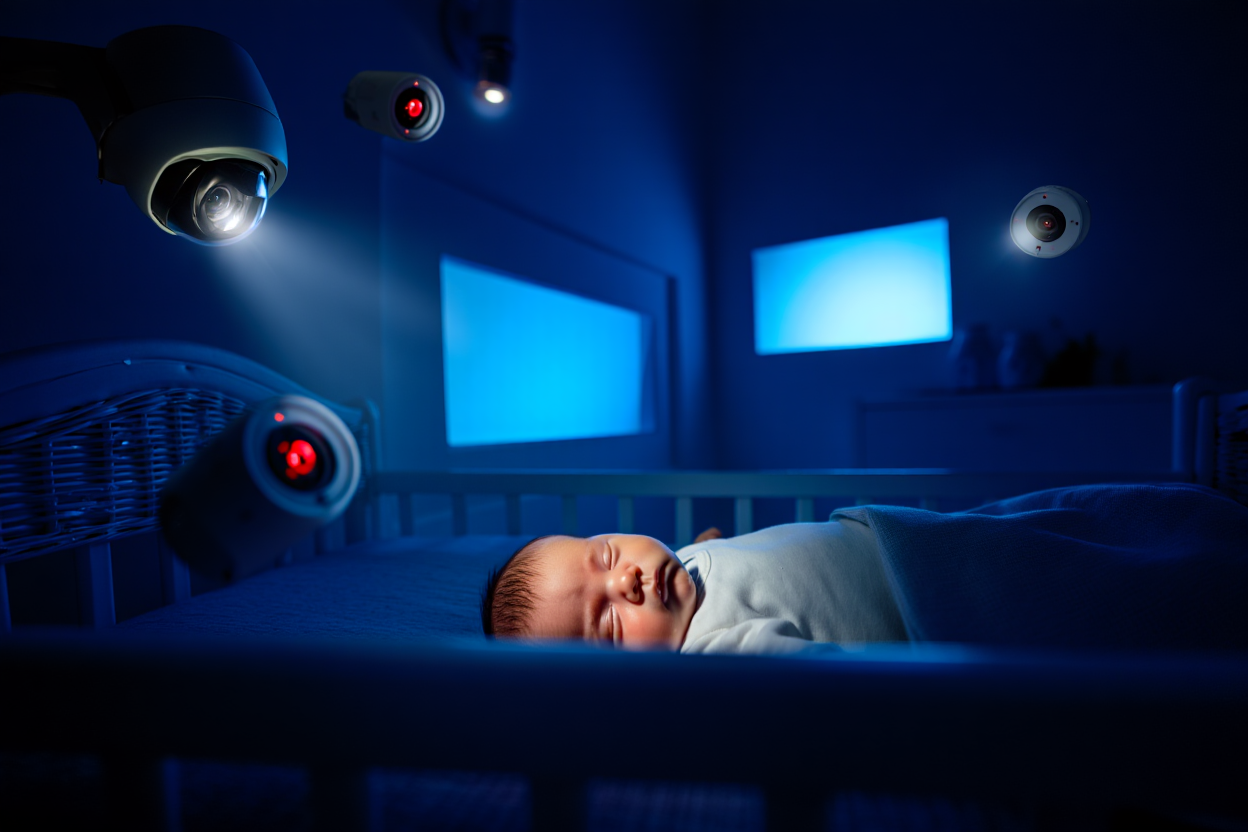
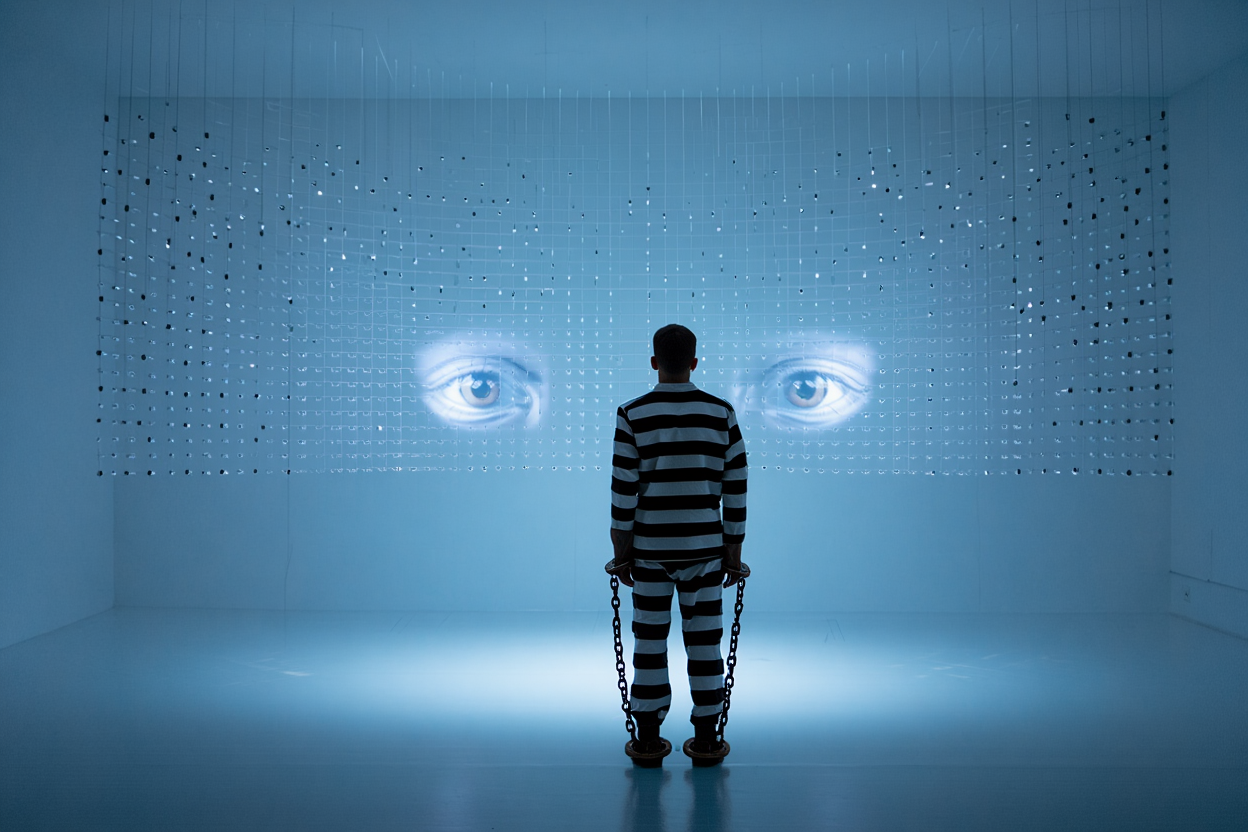
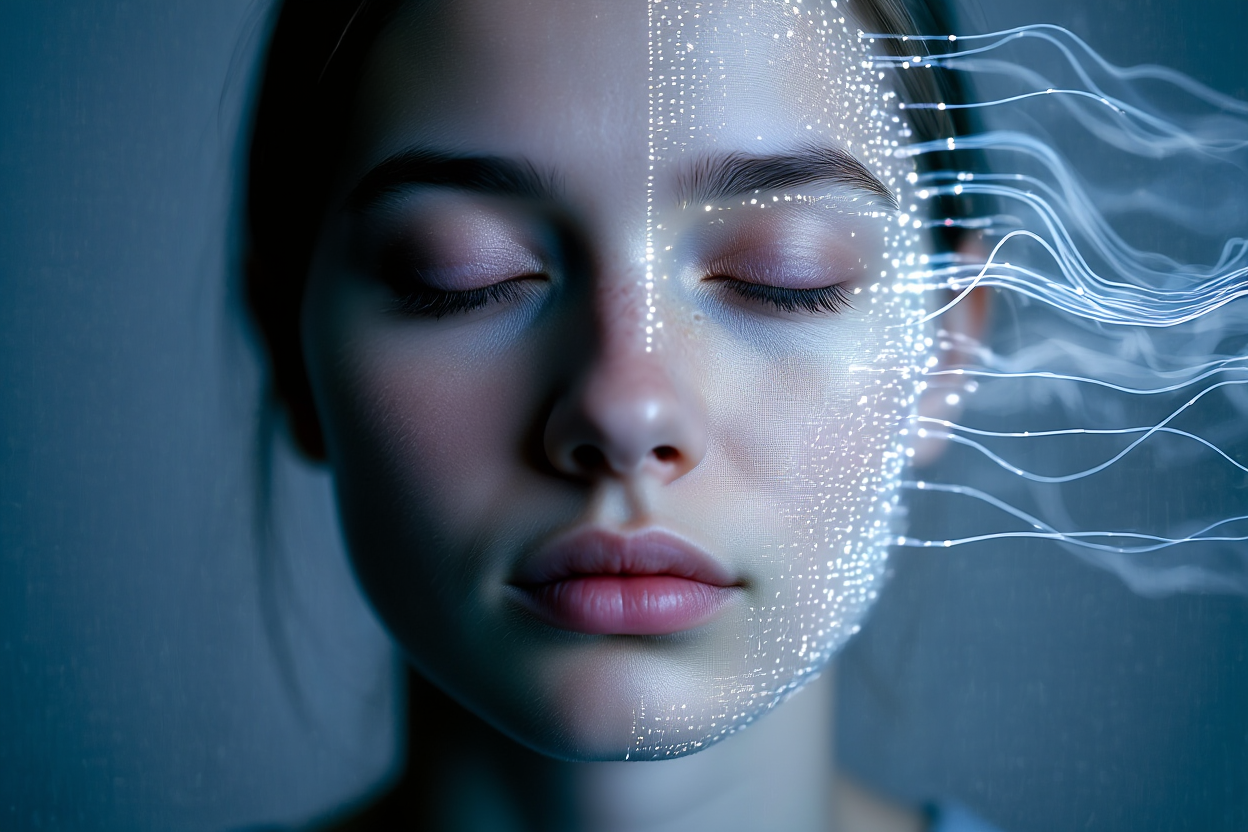
We believe we navigate freely, but we move through a strange bestiary of revisited myths. Like Narcissus, we lean over the digital mirror, fascinated by a reflection that ends up engulfing us. Like Sisyphus, we bear the burden of a memory without forgetting: each piece of data adds to the rock that crushes us without ever rolling back down. Like Prometheus, we offer our traces to a system that feasts on us endlessly. As in the Panopticon, we live under an invisible gaze, but worse still: we have learned to anticipate it, becoming our own jailers.

We are not only losing data; we are losing essential dimensions of the human: the interiority that allows thinking without witness, the forgetting that makes rebirth possible, the autonomy to be oneself, the heteronomy to be several.

Digital servitude needs no chains; it imposes itself through fluidity, seduction, habit. So the real question is no longer: “do I have something to hide?”, but: “how much longer will I remain capable of preserving what makes me a free being?”

OPINION

How many times have you said this phrase while mindlessly accepting cookies on a website?

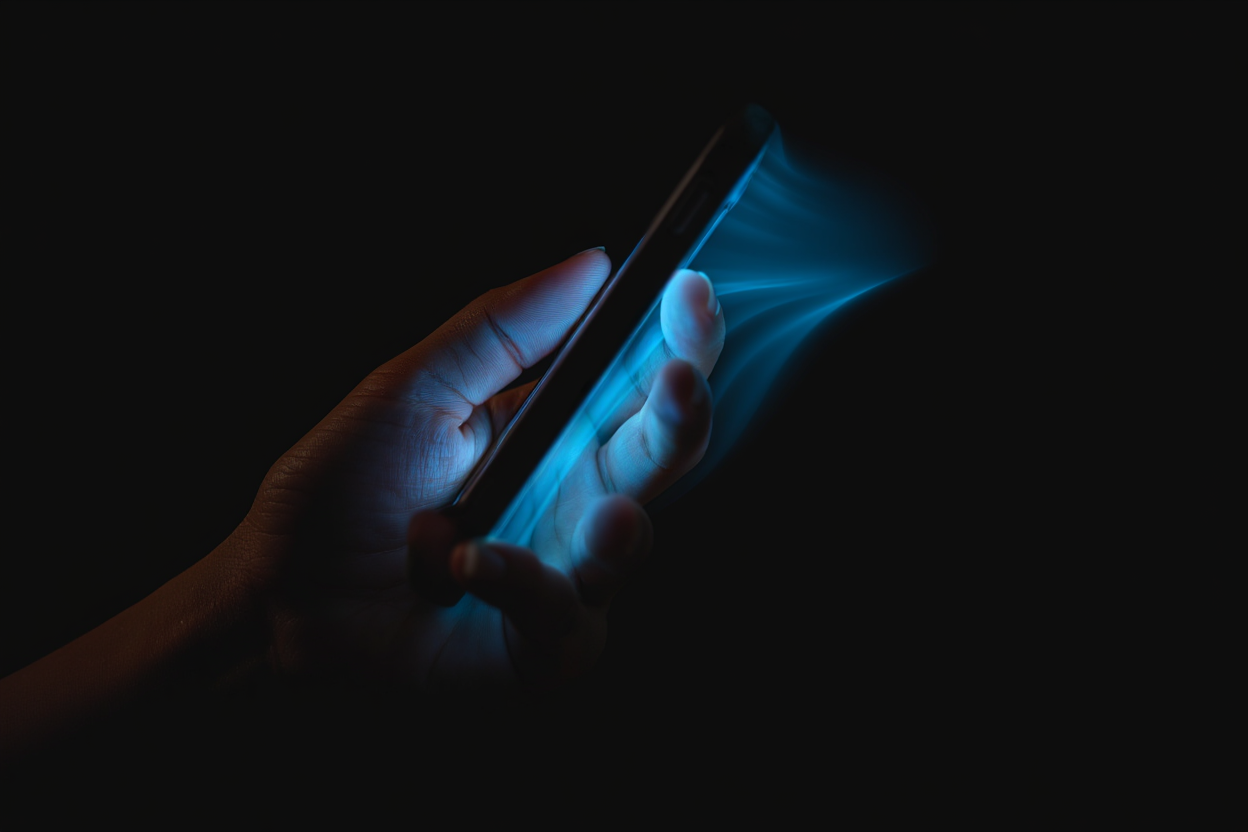
Yesterday morning, I watched my daughter checking her phone. A simple, innocent gesture. Yet in just a few seconds, she had just revealed her current mood, her sleep patterns, her location, and even her evening plans.

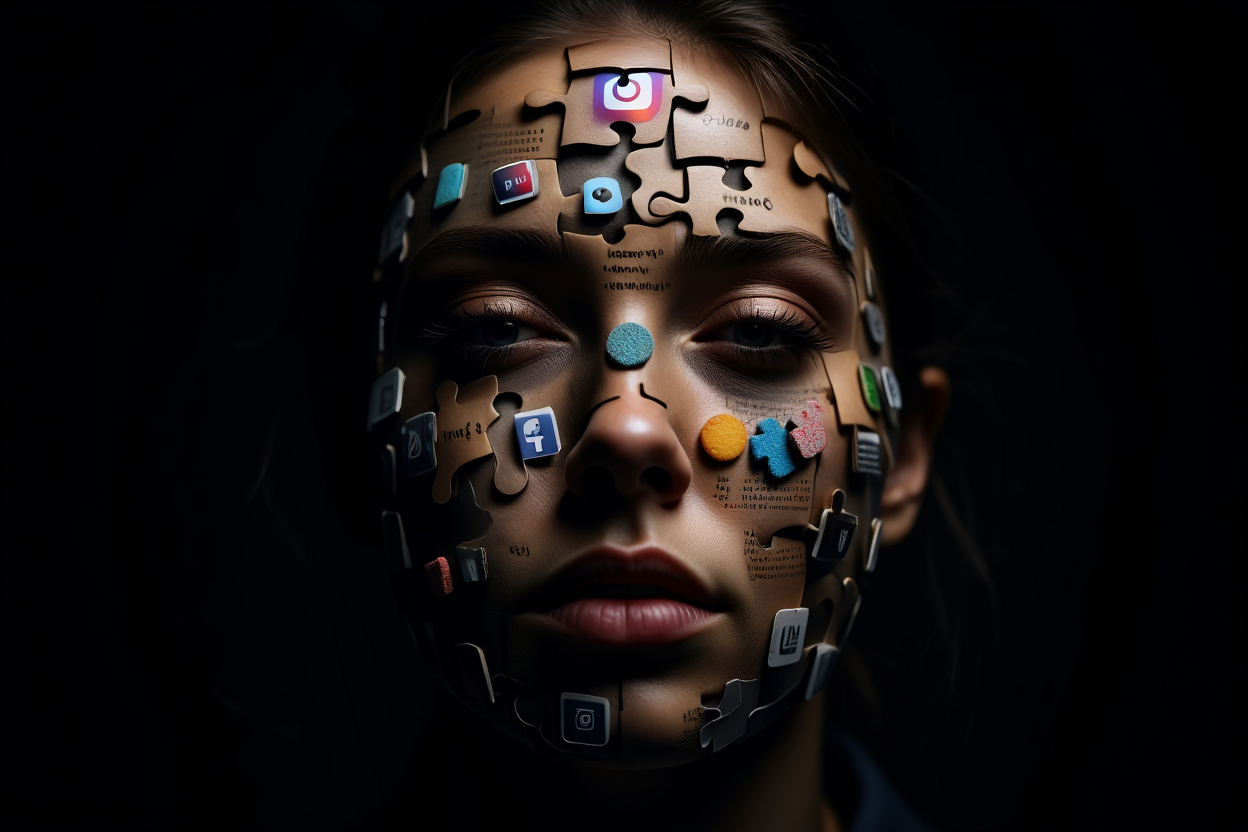
Without knowing it, she was feeding her “invisible digital portrait” – that silhouette made up of thousands of micro-traces we scatter every day.

The problem? This portrait no longer belongs to you. It circulates, gets sold, grows richer. It can predict your desires before you even feel them. And in the wrong hands, it becomes a formidable weapon.

The real question isn’t “What are you hiding?” But “Why should you give up your privacy?”

In a world where forgetting becomes impossible, where every click shapes your future, protecting your data is no longer an individual luxury: it’s the very condition of your freedom.

OPINION

What if the rise of AI in medicine did not mark the end of doctors, but the beginning of a new era of care?

Since Hippocrates, physicians have drawn their legitimacy from knowledge. Yet, for the first time in modern history, they are no longer necessarily the ones who know the most. AI diagnoses faster, sees what the human eye cannot, and sometimes even drafts responses that patients find more reassuring than those of a professional.

So, should we fear the disappearance of doctors? Or should we rethink their place, their role, their unique value in a world where expertise is shared between human and machine?

OPINION

Last week, I told you about the ants—those quiet beings who hold the world together while others parade on stage. This week again, I won’t be talking about artificial intelligence, robots, algorithms, or generative AI…

Once more, I’m staying in this very human, very intimate vein. Still about us. Always about us. Because before understanding what machines do to our thinking, we might first need to understand what we’ve done to our own capacity to think.

This time, I’m taking you into more subtle, more troubling territory: our relationship with our own ideas. A silent shift that concerns us all, connected or not, technophiles or technophobes.

I promise, starting next week, I’ll resume my “AI in All Its States” series. But for now, let me tell you about this strange thing that happens to us when we stop inhabiting our own questions…

You type a question into your search engine. In 0.3 seconds, you have your answer. Satisfying, right?

Yet… something strange is happening. This bewildering ease might be hiding a deeper transformation in our relationship with thinking.

There was a time when searching was already an act in itself. When not knowing immediately wasn’t a problem to solve, but a space to inhabit. Today, we slide from one answer to the next, from one pre-digested content to another. We validate more than we choose. We apply more than we understand.

But what happens when thinking becomes optional? Between the seductive efficiency of our tools and our old habit of thinking for ourselves, a silent shift is taking place. Not brutal, not visible. Just… comfortable.

The question isn’t whether technology is good or bad. It lies elsewhere, more intimate: do we still recognize our own voice when we think?

OPINION COLUMN

What if one day, your car made a decision for you… and got it wrong?

A fictional trial once tried to answer a question that no longer feels like fiction: can we put an artificial intelligence on trial like we would a human being?

Behind this courtroom drama lies a deeper dilemma about our digital future: who’s to blame when a machine causes a disaster, but no one truly understands how or why?

Still think the infamous “red button” would save you?

Think again.

OPINION