Tag: <span>ETHICS</span>

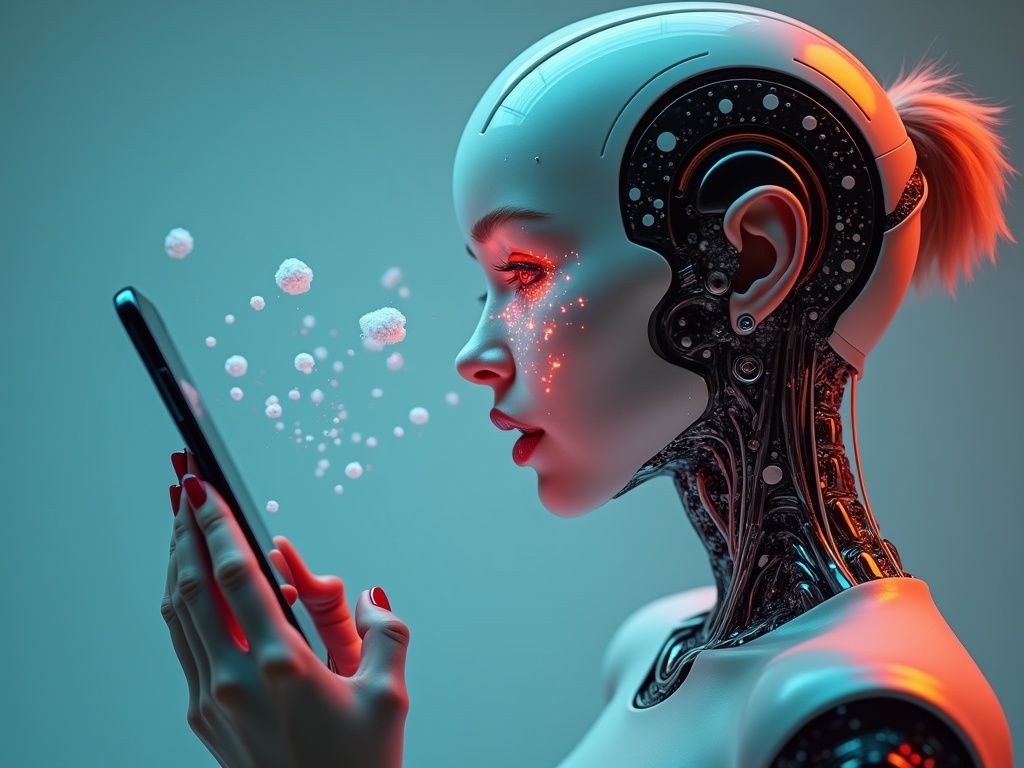
In a world where our smartphones understand us better than our loved ones, where our virtual assistants listen without ever yawning from boredom, a new form of escape has been born.

When applications promise us “a girlfriend who understands you perfectly, without the complications of real life” for $200 per month, isn’t it time to question what we’re really trying to escape from?

From digital infidelity to virtual hugs, let’s explore together this troubling frontier where our creations become our favorite creatures… and where we risk becoming machines ourselves through interacting with them.

OPINION COLUMN

Behind every ChatGPT query lies a reality that few of us want to face: a titanic infrastructure that devours water, electricity, and rare metals at a frenzied pace.

I dove into the behind-the-scenes of this technological revolution, and the figures are staggering:

➡️ A single ChatGPT query consumes 5 TIMES more electricity than a classic Google search

➡️ By 2030, AI could generate 2.5 MILLION tons of electronic waste per year

➡️ A heavy ChatGPT user generates nearly 300g of CO2 annually – multiplied by hundreds of millions of users…

But beyond the alarming numbers, in this article I explore concrete solutions: specialized models, distributed computing, frugal innovation… Because I’m convinced: **the future of AI will be ecological, or it won’t exist.**

This extraordinary technology deserves better than our collective blindness. It deserves deep reflection on its sustainability.

OPINION

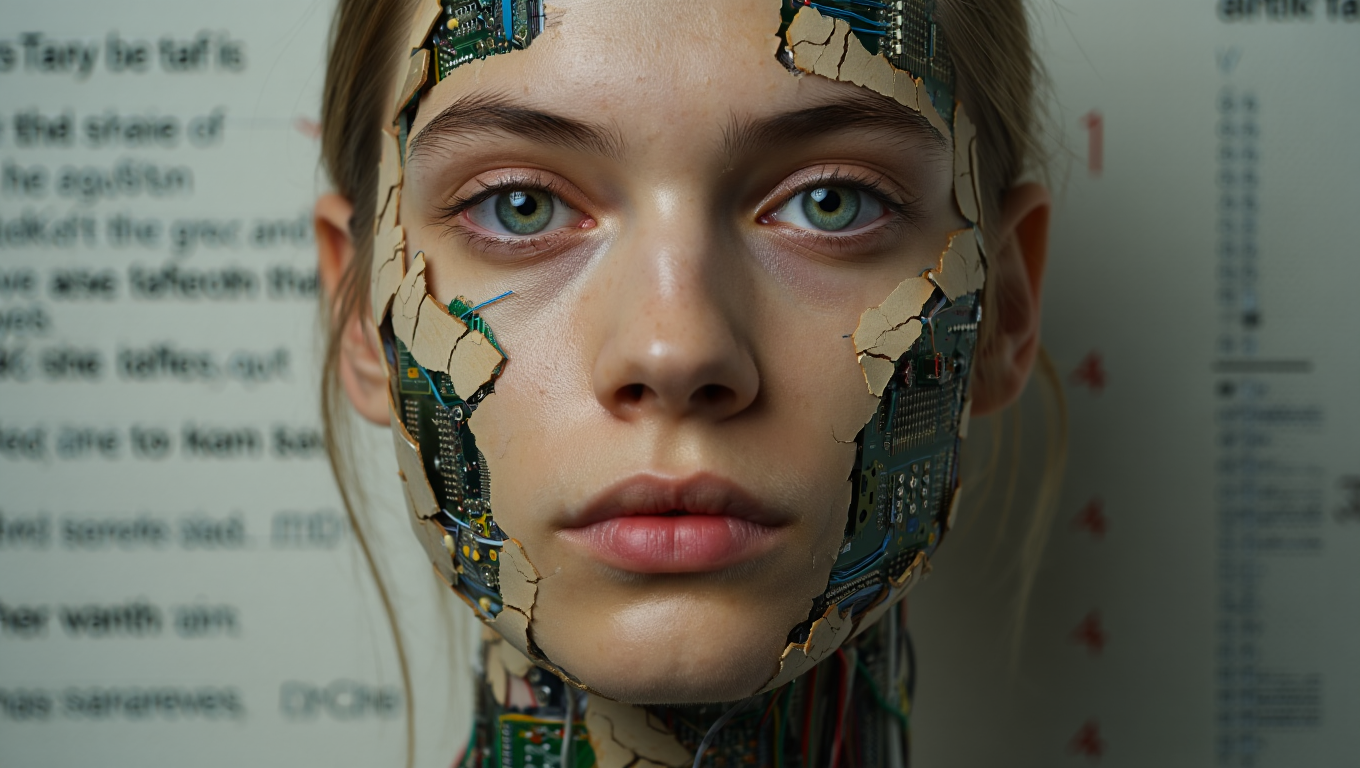
Since the dawn of humanity, we have pursued the Promethean dream of creating in our own image. From Vaucanson’s automatons to Pascal’s mechanical calculators, this quest has shaped our civilization. But never, until now, had the boundary between human creation and artificial generation been so delicately blurred.

ChatGPT, Claude, Midjourney, DeepSeek, Perplexity have become the new deities of a technological pantheon where creation seems liberated from human expertise. Text, image, melody: everything now merely awaits our desire, materialized in a few clicks, to transform us into artists with a simple snap of the fingers, without the shadow of a transaction.

OPINION

Artificial intelligence is profoundly transforming the medical field, enabling more accurate diagnoses, personalized treatments, and support for overwhelmed doctors. But this progress also raises major questions: How can we preserve the doctor-patient relationship? Who is responsible in case of an error? How can we ensure data protection and algorithmic fairness?

In my latest article, I explore the promises and limitations of AI in healthcare. Between technological hope and ethical necessity, we must find a balance to ensure these tools remain human-centered.

🤖🩺 Should AI be a simple assistant, or could it redefine our approach to healthcare?
I’d love to hear your thoughts!

OPINION

One-third of the French population lives in medical deserts. The life expectancy gap between a worker and an executive remains seven years. Our healthcare system, once a global benchmark, is under immense pressure. But what if AI and Big Data could change the game?

Far from replacing doctors, these technologies offer real solutions:
✅ Optimizing hospital workflows: shorter wait times, more time for care.
✅ Improving access to healthcare: AI-assisted diagnosis, remote monitoring, support for isolated practitioners.
✅ Predicting and preventing diseases: early risk detection, personalized treatments.
✅ Accelerating research: faster drug discovery, more efficient clinical trials.

But here’s the real question: How do we integrate these innovations without losing the essence of human care? AI must be an ally, not a substitute. It will never replace the intuition and empathy of healthcare professionals.

Ethics and transparency must guide us. If we respect these principles, we have a unique opportunity to build a more accessible, fair, and human-centric healthcare system.

CERISE & ADA