Tag: <span>BIAISES</span>

344 times a day. That’s how often the average adult checks their phone, according to the BBC. Every four minutes. Even at night, even for no reason, even when there’s no notification.

In tropical rainforests, there’s an ant that climbs onto a leaf, locks itself in place, and dies. A fungus has taken control of its nervous system to better spread its spores. Biologists call it a parasitic infection. Poets might say: a dispossession of the living.

That fungus took millions of years to perfect its strategy. Our smartphones only needed a decade. The biological parasite forces its host. The digital parasite convinced its host it couldn’t live without it.

This parallel between biological parasitism and digital colonization isn’t just a metaphor. It’s an operating system. The same mechanisms, the same precision, the same result: a host working for its parasite while believing it’s acting freely.

So maybe the real question isn’t: are we addicted to our screens? But rather: at what point did we stop being the masters and become the host?
OPINION

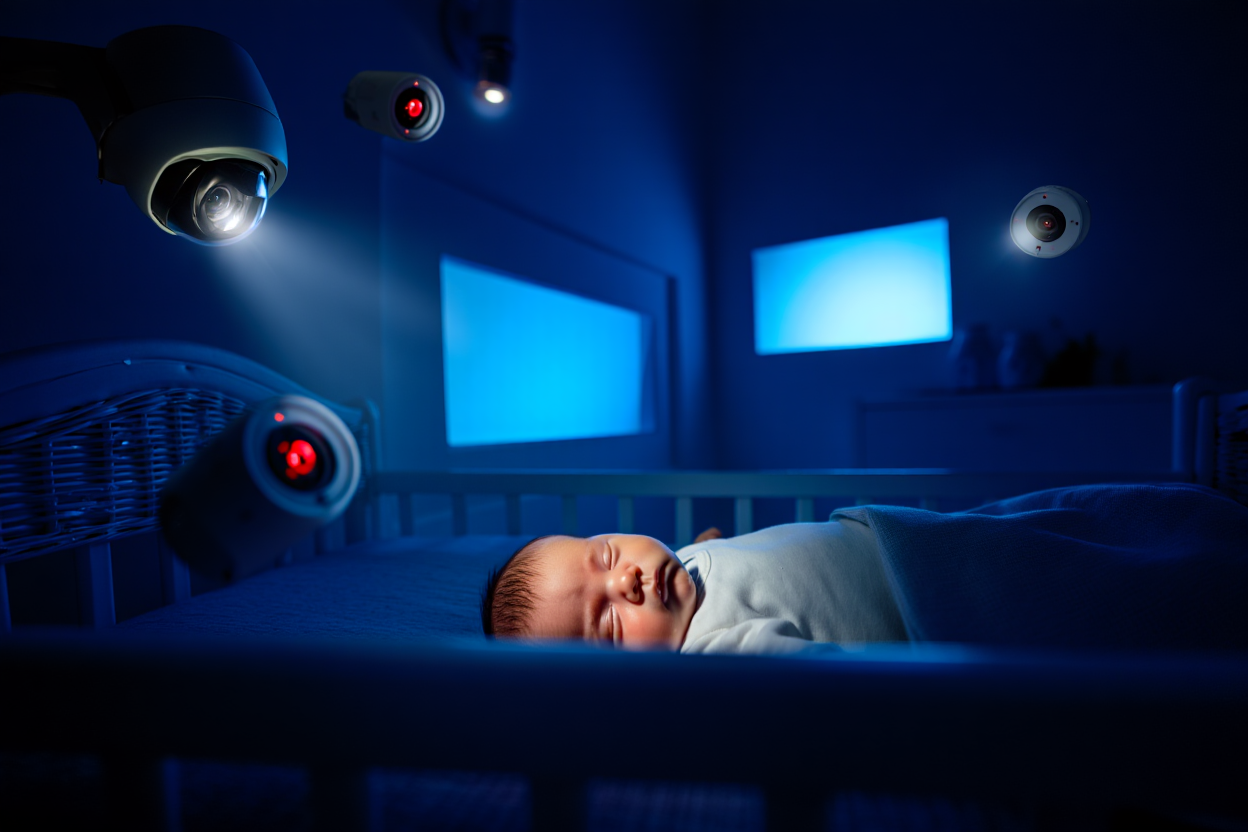
Here is the third and final installment of my series on the privacy of our data. After exploring our own surrenders and the illusion of voluntary transparency, it’s time to ask the most unsettling question of all:

What are we leaving to our children? Not as a material inheritance, but as an inheritance of gaze.

For they are born into a world where the intimate fades before it has even existed, where surveillance dresses itself in the clothing of play, where freedom is confused with permanent connection. What was for us a loss is for them self-evident. Where we see an encroachment on privacy, they simply see life.

This article examines this silent shift: how do we pass down inner freedom to a generation that has never known secrecy? How do we teach depth to those we’ve accustomed to exposure? And above all, what will remain of freedom if we forget to teach it to them?

OPINION

Last week, I talked about a point that’s often misunderstood: for AI, truth doesn’t exist.

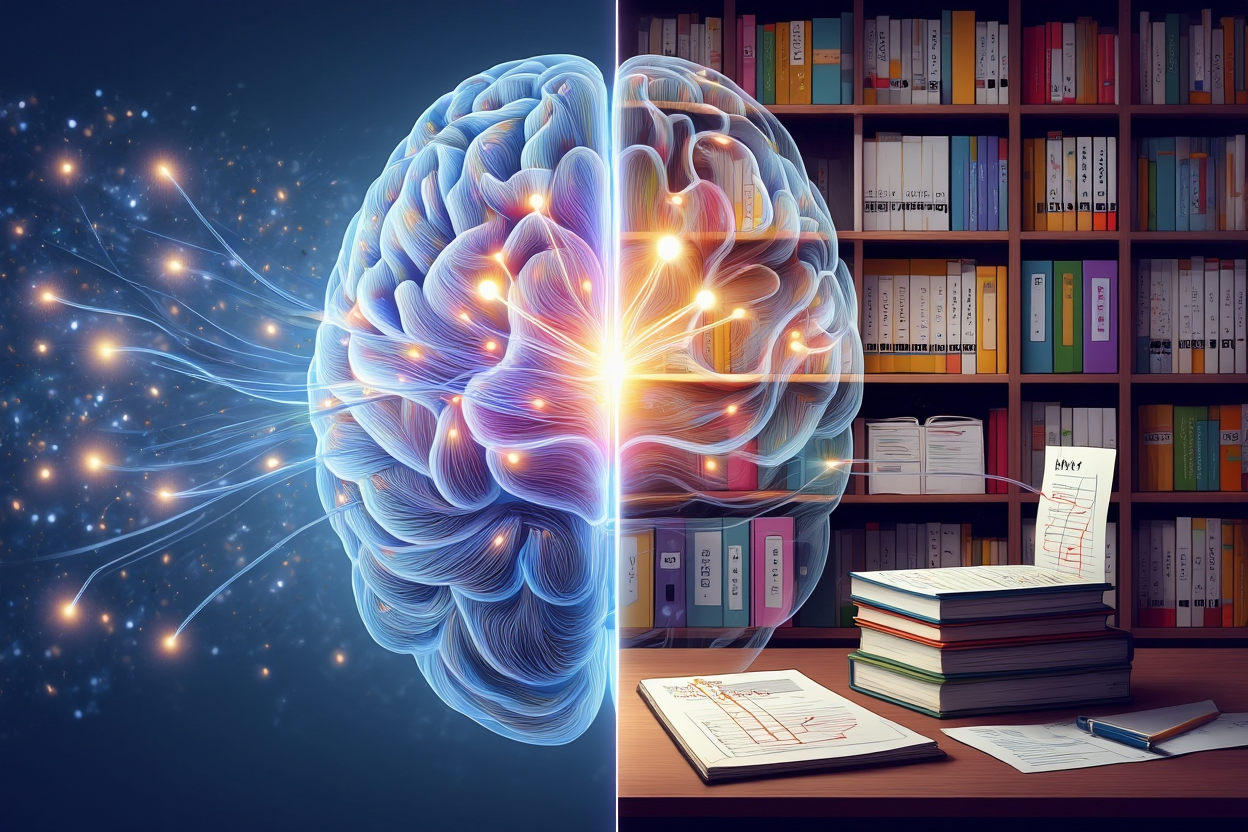
Today, I’m taking the reasoning one step further. Because there’s an even deeper misconception: believing that an LLM is a knowledge base. It’s not. A language model generates probable word sequences, not verified facts. In other words, it recites with ease, but it never cites.

That’s exactly what I explore in my new article: why this confusion persists, and how to clearly distinguish between parametric memory and explicit memory, so we can finally combine them the right way.

OPINION

We’ve painted the word kindness in so many pastel colors that it’s become unrecognizable.
Today, it’s more often a smokescreen than a value, a cover-up to justify inaction, weakness, even cowardice.

Saying NO is now suspicious, setting boundaries is seen as toxic, demanding effort is considered violent. The result? Empty papers get applause, nothingness is celebrated as brilliance, and we dare to call it kindness.

But if protecting, loving, educating, and working together still mean anything, then it’s time to remember that real kindness doesn’t always stroke in the right direction. It protects by being clear-eyed, it builds by being demanding.

OPINION COLUMN

An AI doesn’t lie. But it doesn’t tell the truth either. It doesn’t know what is true or false — it only calculates probabilities. Its “reasoning” boils down to predicting which word is most likely to follow the previous one, based on the billions of sentences it has been trained on.

The result can be dazzling: fluid, elegant, convincing. Yet this fluency is nothing more than an illusion. What we read is not verified knowledge, but a sequence of words that “fit.” Sometimes accurate, sometimes wrong, sometimes neither — without the machine ever being aware of it.

The real danger is not the AI itself, but our very human reflex: confusing coherence with truth. In other words, mistaking the appearance of knowledge for knowledge itself. It’s this subtle, almost invisible shift that opens the door to confusion, born of ignorance about how it works, and of overconfidence in what merely “sounds right.”

OPINION